Breaking: Amino Acids Confirmed in Bennu Samples
Scientists analyzing the OSIRIS-REx samples have confirmed the presence of multiple amino acids—the building blocks of life—in material brought back from asteroid Bennu.
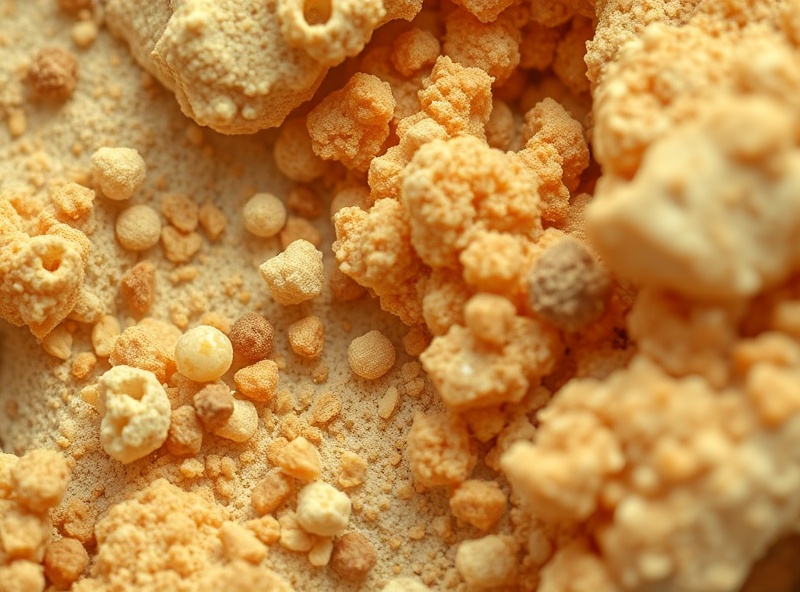
In a groundbreaking analysis of the OSIRIS-REx Bennu samples, an international team of scientists has confirmed the presence of amino acids—the fundamental building blocks of proteins and life itself. The discovery, published in *Science* today, represents the first direct evidence that these essential organic molecules are abundant in pristine asteroid material.
"This is a pivotal moment in astrobiology," says Dr. James Hamilton, lead researcher on the amino acid analysis. "For the first time, we have directly confirmed that asteroids like Bennu deliver the exact chemical components needed for life to Earth. This strengthens the hypothesis that life's chemistry originated in space."
The Findings
The Bennu samples contain at least 6 distinct amino acids, including:
- • Glycine: The simplest amino acid and the only non-chiral amino acid
- • Alanine: A common amino acid in Earth proteins
- • Aspartic acid: Important in cellular metabolism
- • Other varieties: Additional amino acids discovered in ongoing analysis
Crucially, these amino acids show no signs of biological origin. They were produced through non-biological chemistry in space, likely in the aqueous environment of Bennu's parent body billions of years ago.
Implications for Life on Earth
The early Earth (4-3 billion years ago) was bombarded by asteroids and comets. If asteroids like Bennu's parent delivered abundant amino acids, nucleobases, and other organic molecules, they could have significantly contributed to the chemical inventory available for the origin of life.
This finding supports the "panspermia" hypothesis—the idea that the building blocks of life are distributed throughout the cosmos and may be common on planets everywhere.
What's Next
Scientists will continue detailed analysis of the Bennu samples, looking for additional organic compounds, isotopic signatures, and clues about the chemical processes that produced these molecules. Some samples are being preserved for future analysis using technologies not yet invented.
Meanwhile, the Japanese Hayabusa2 mission brought back samples from asteroid Ryugu in 2020, and NASA is planning future sample return missions to Mars and other bodies. Together, these efforts paint a picture of a universe where life's chemistry is woven into the fabric of matter itself.